2016-2026, ongoing research
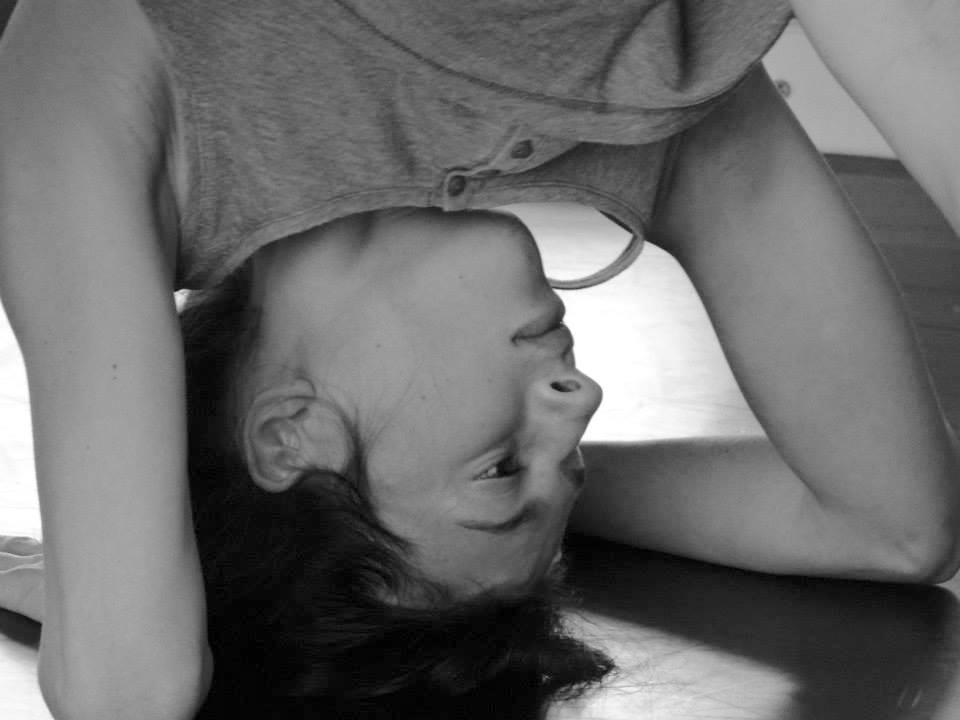
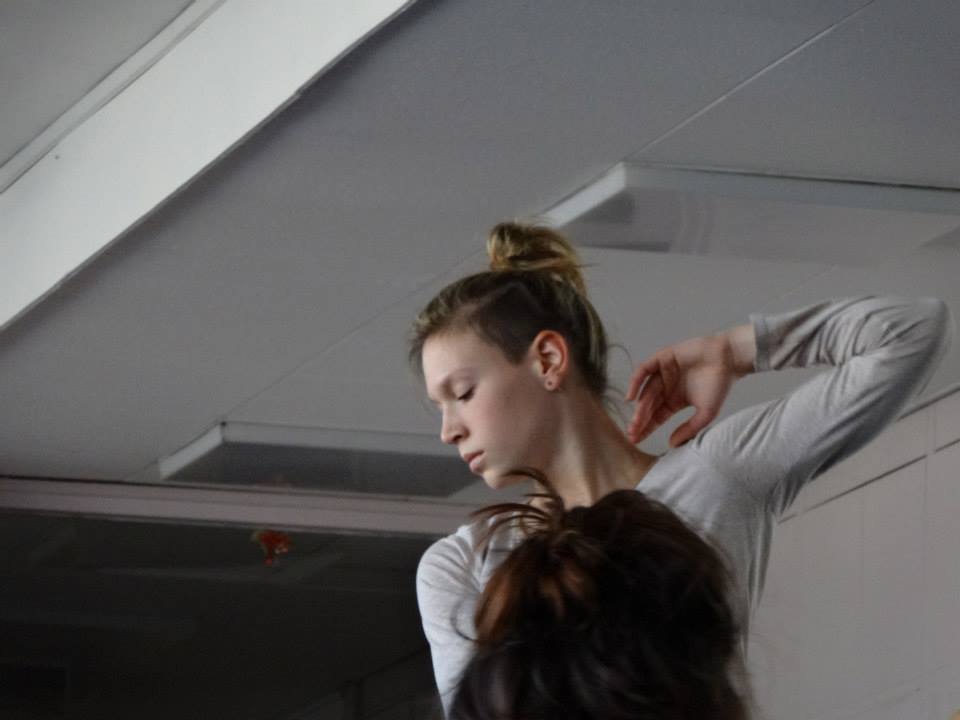
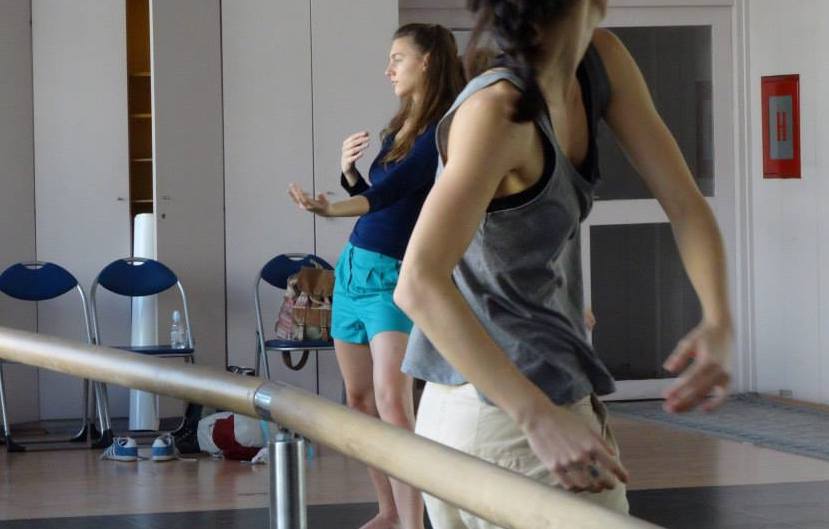
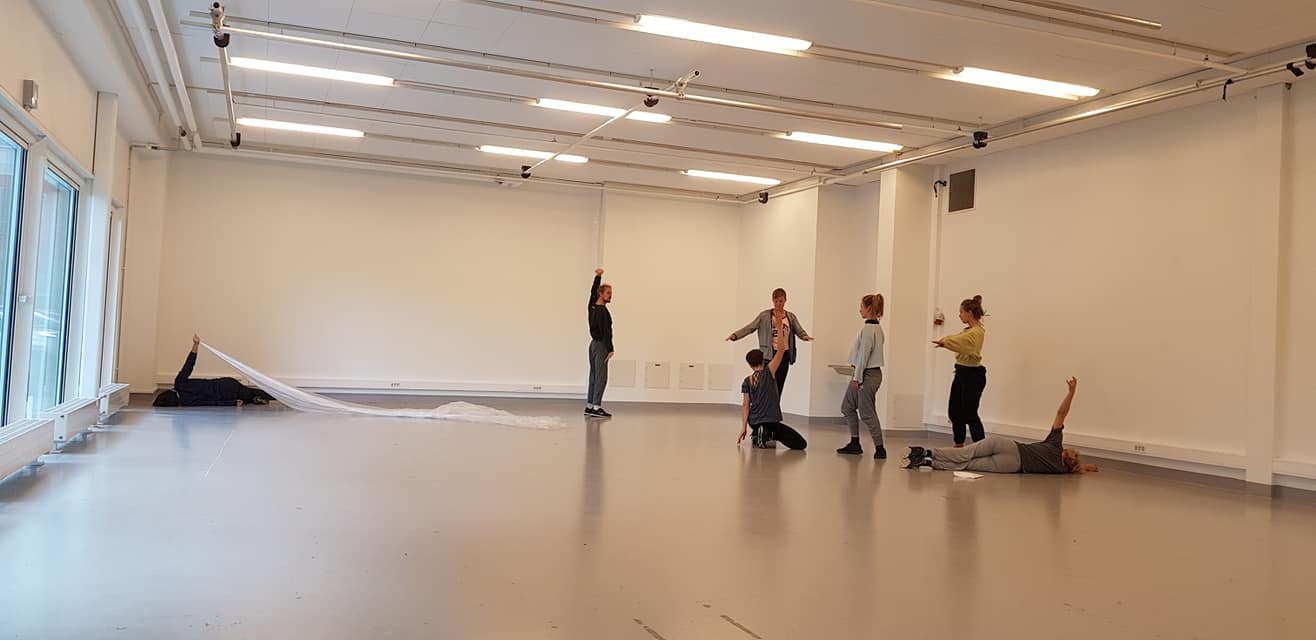
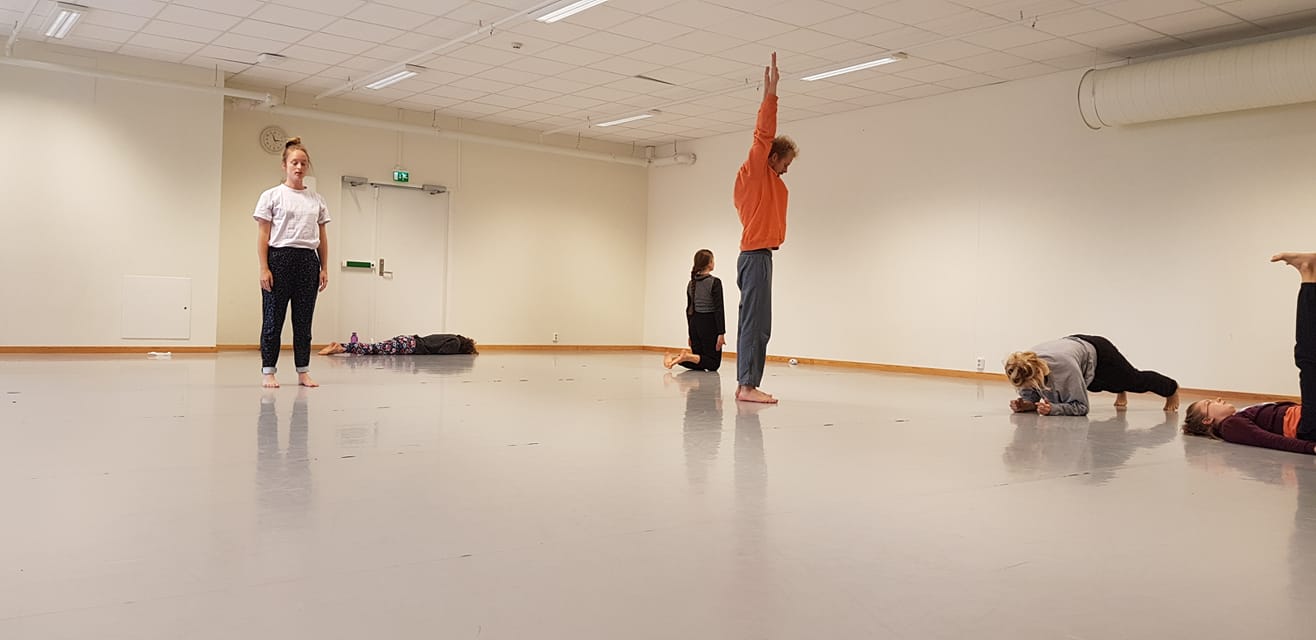
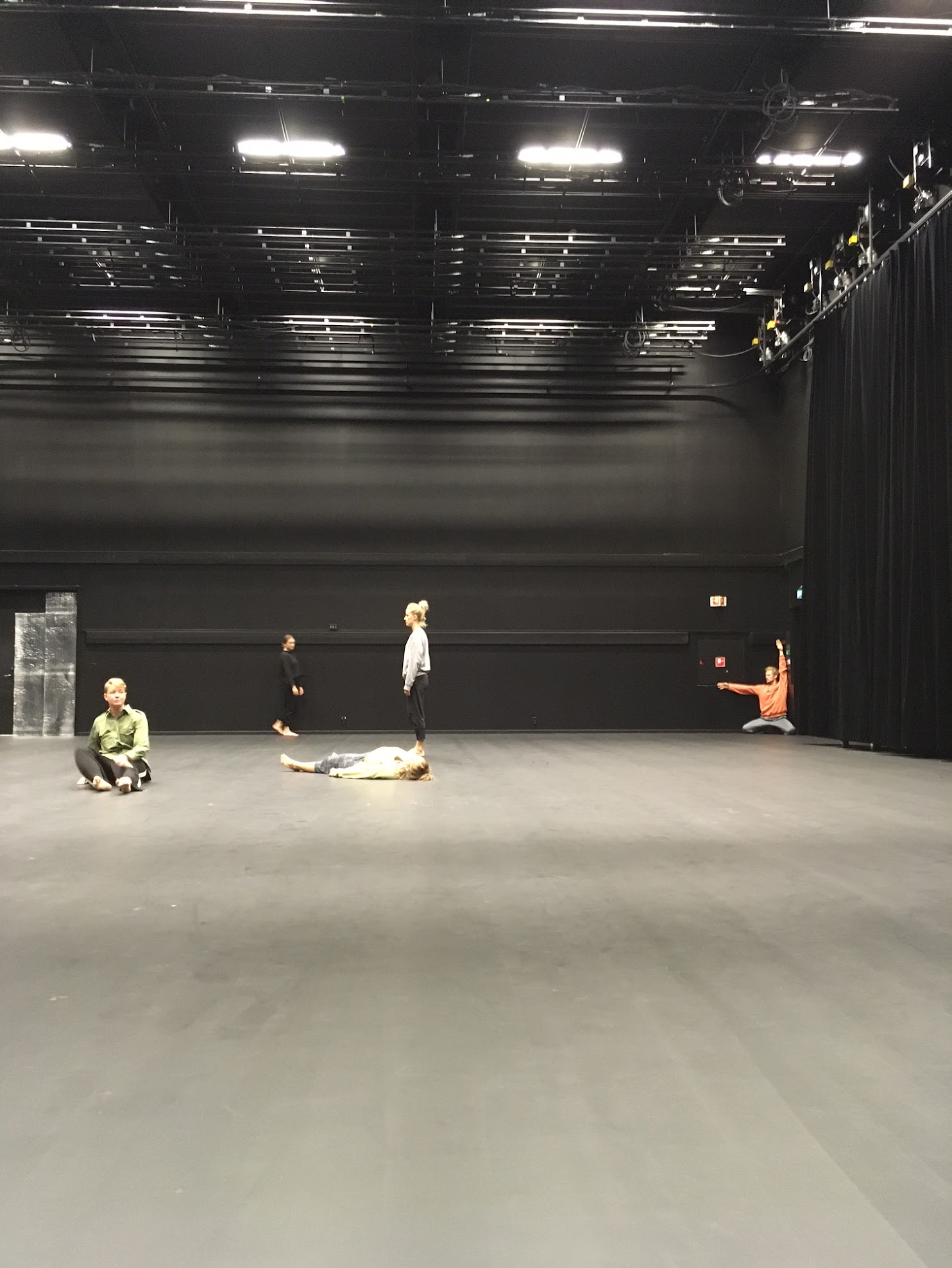
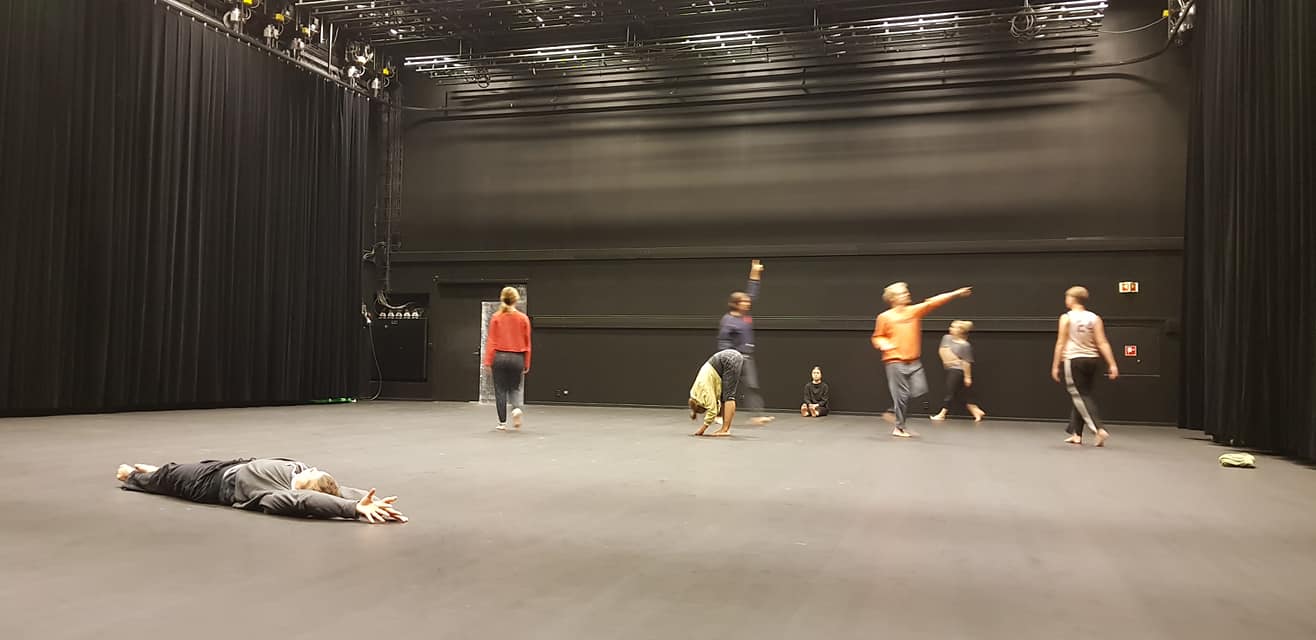
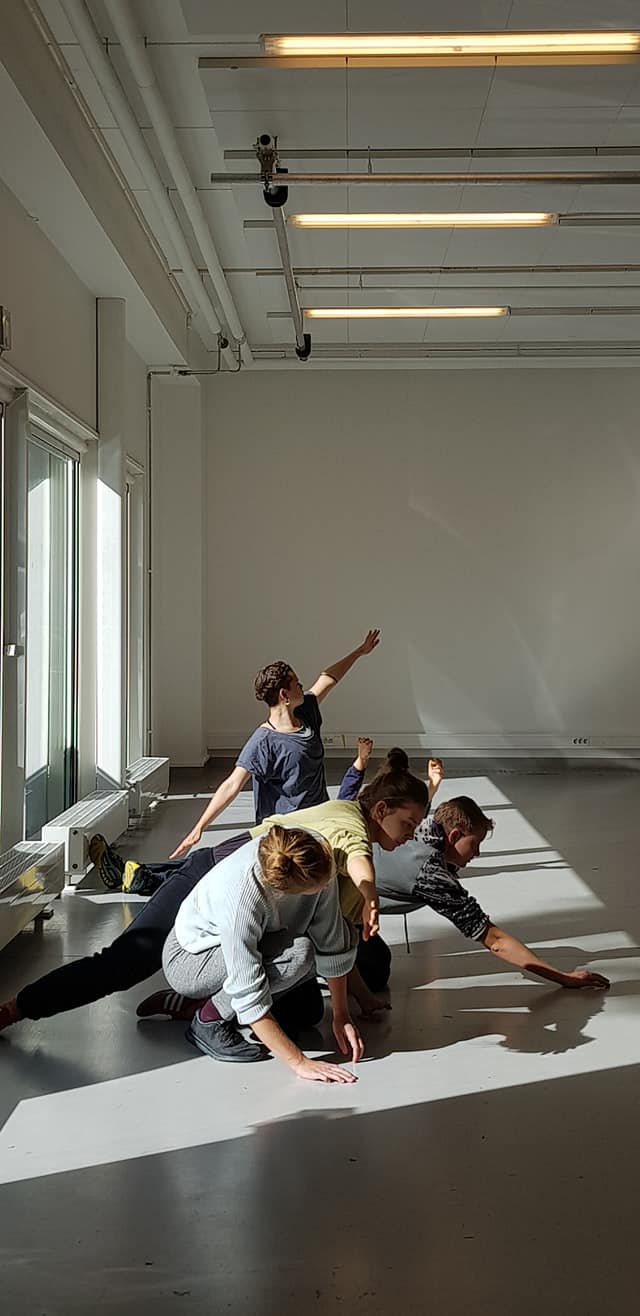
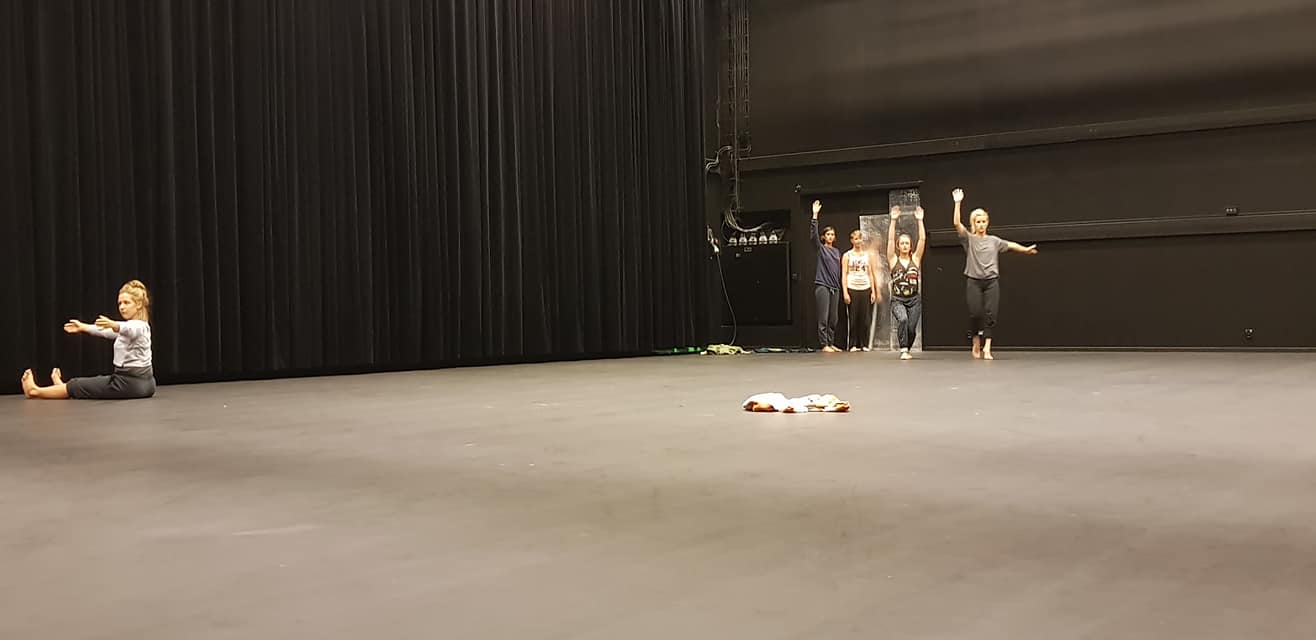
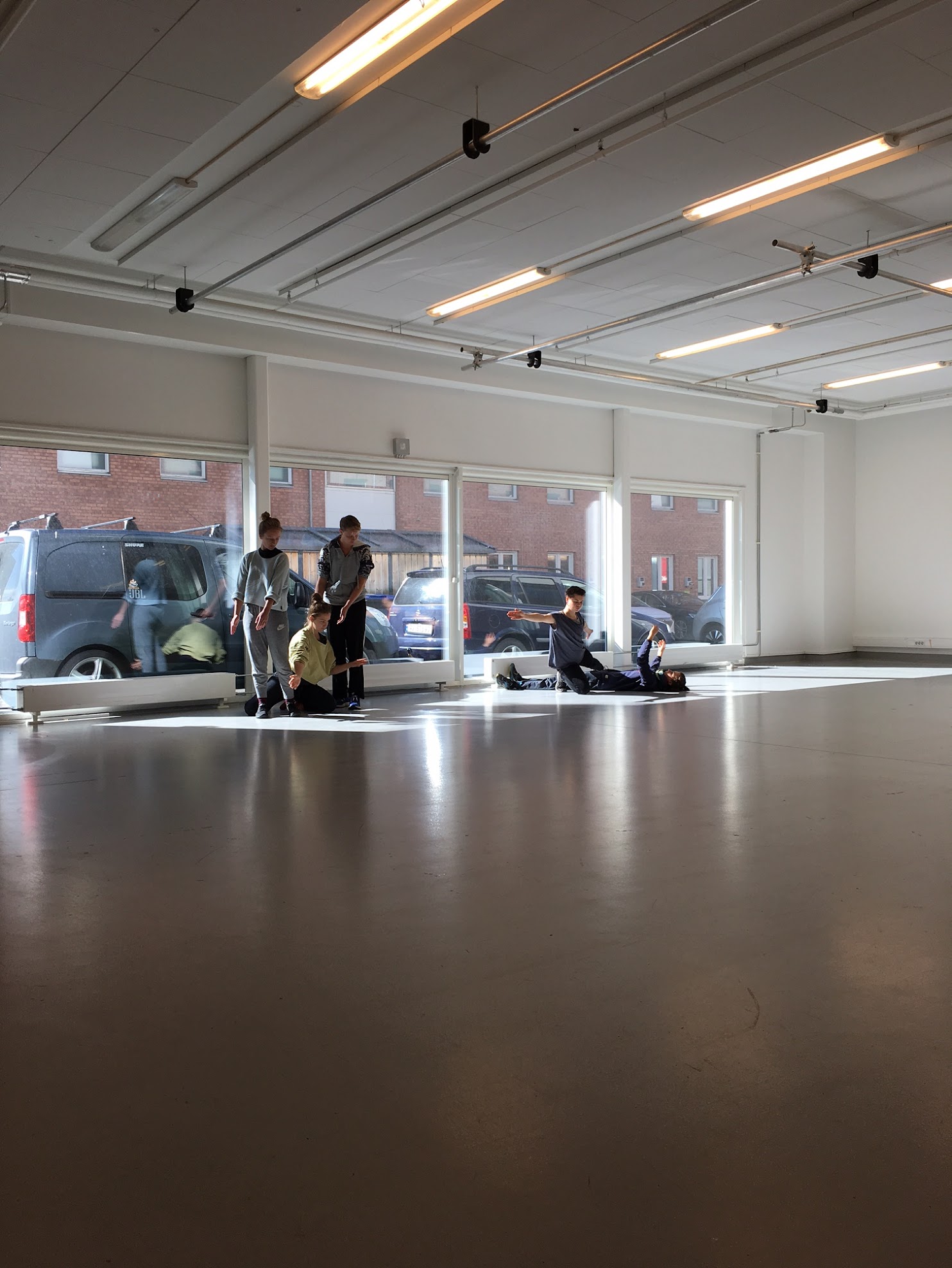
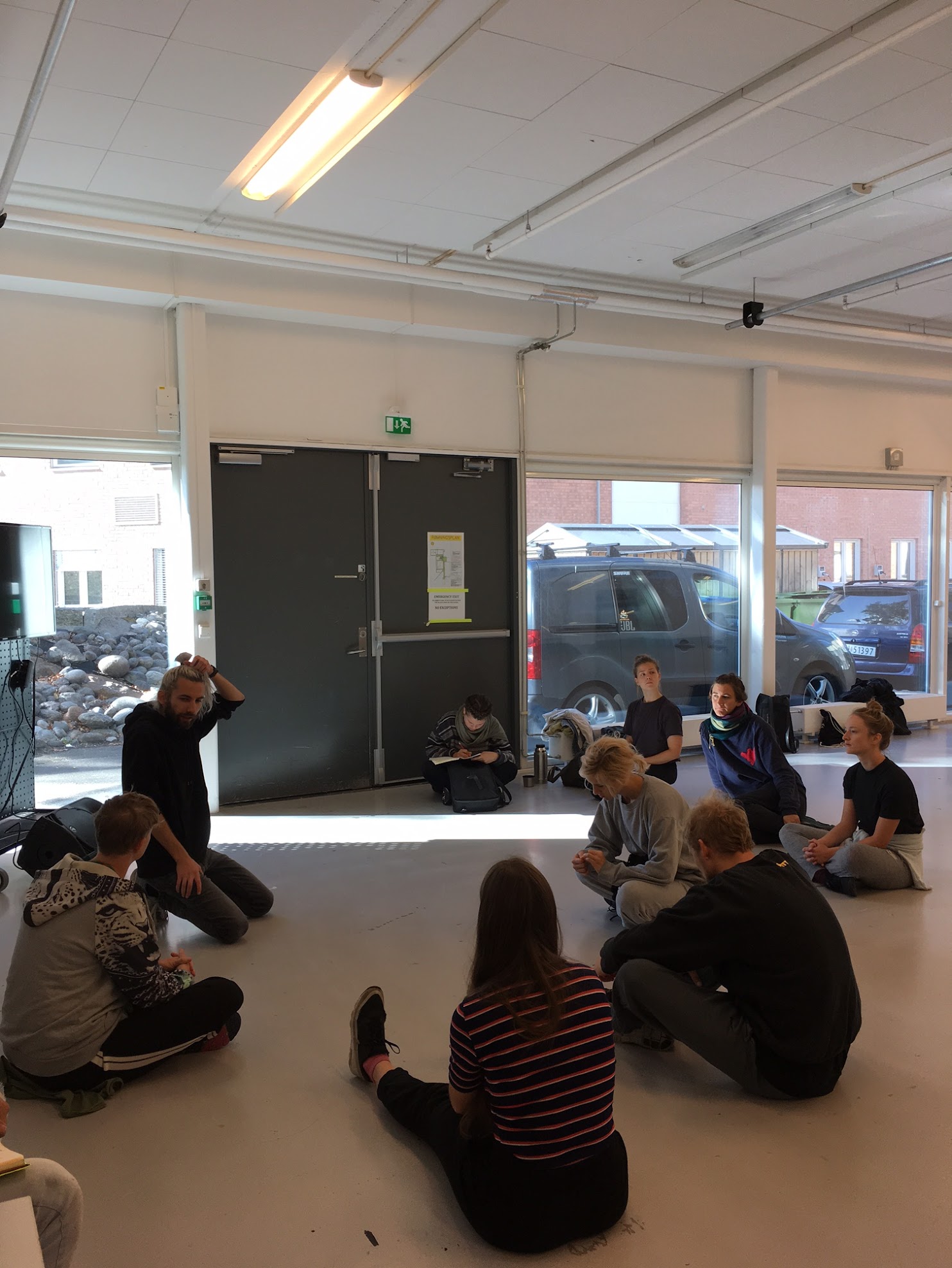
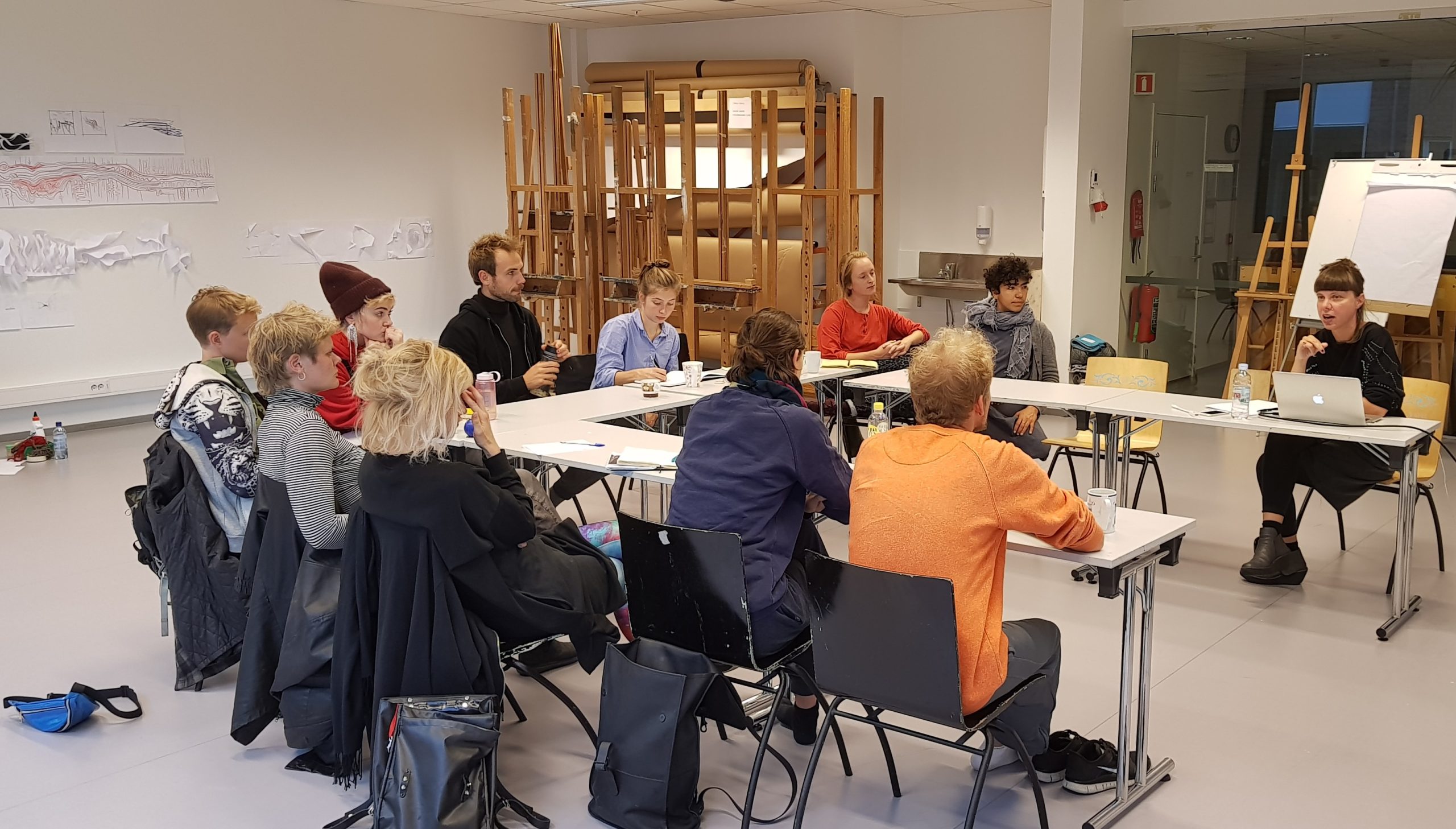
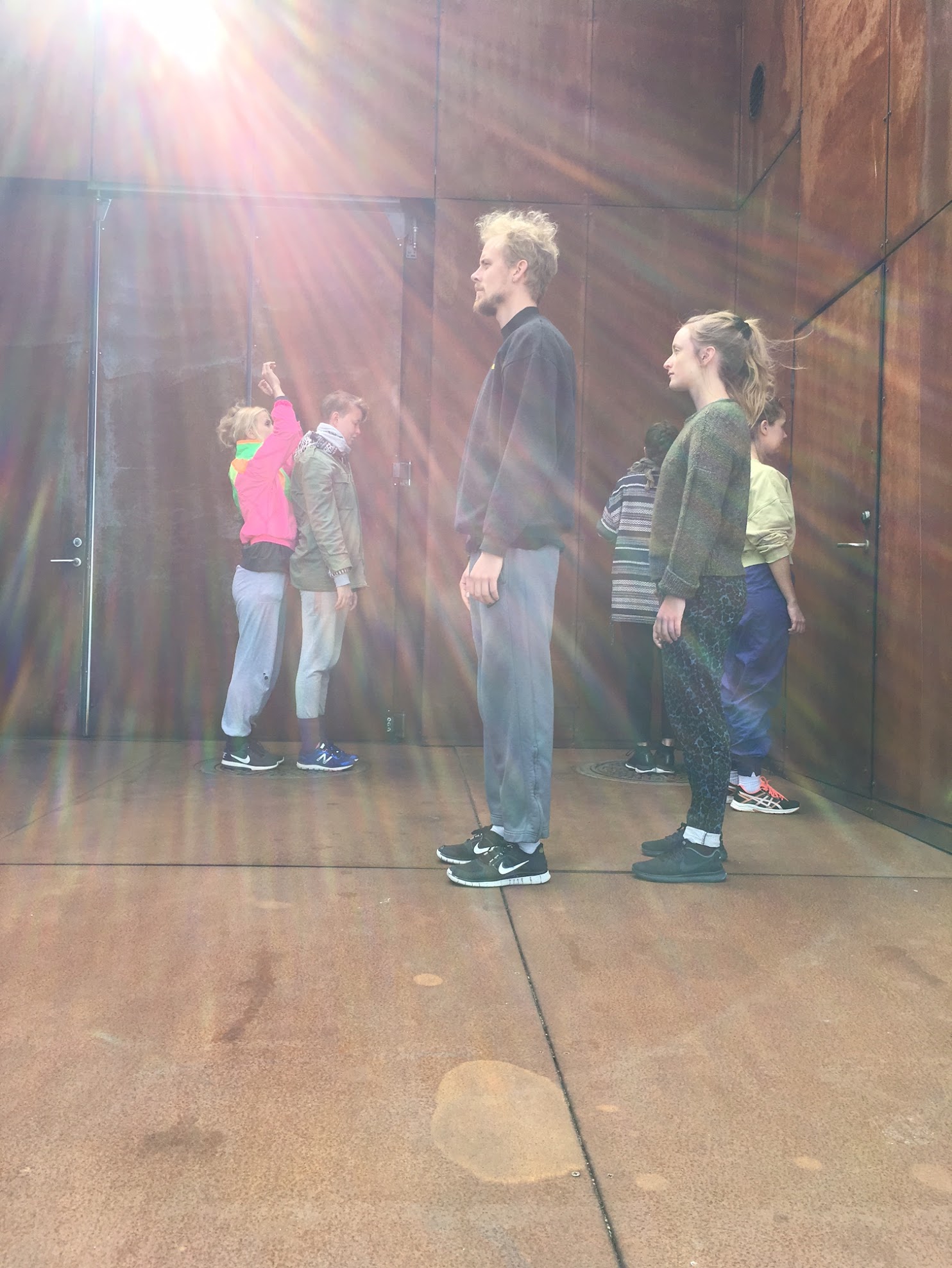
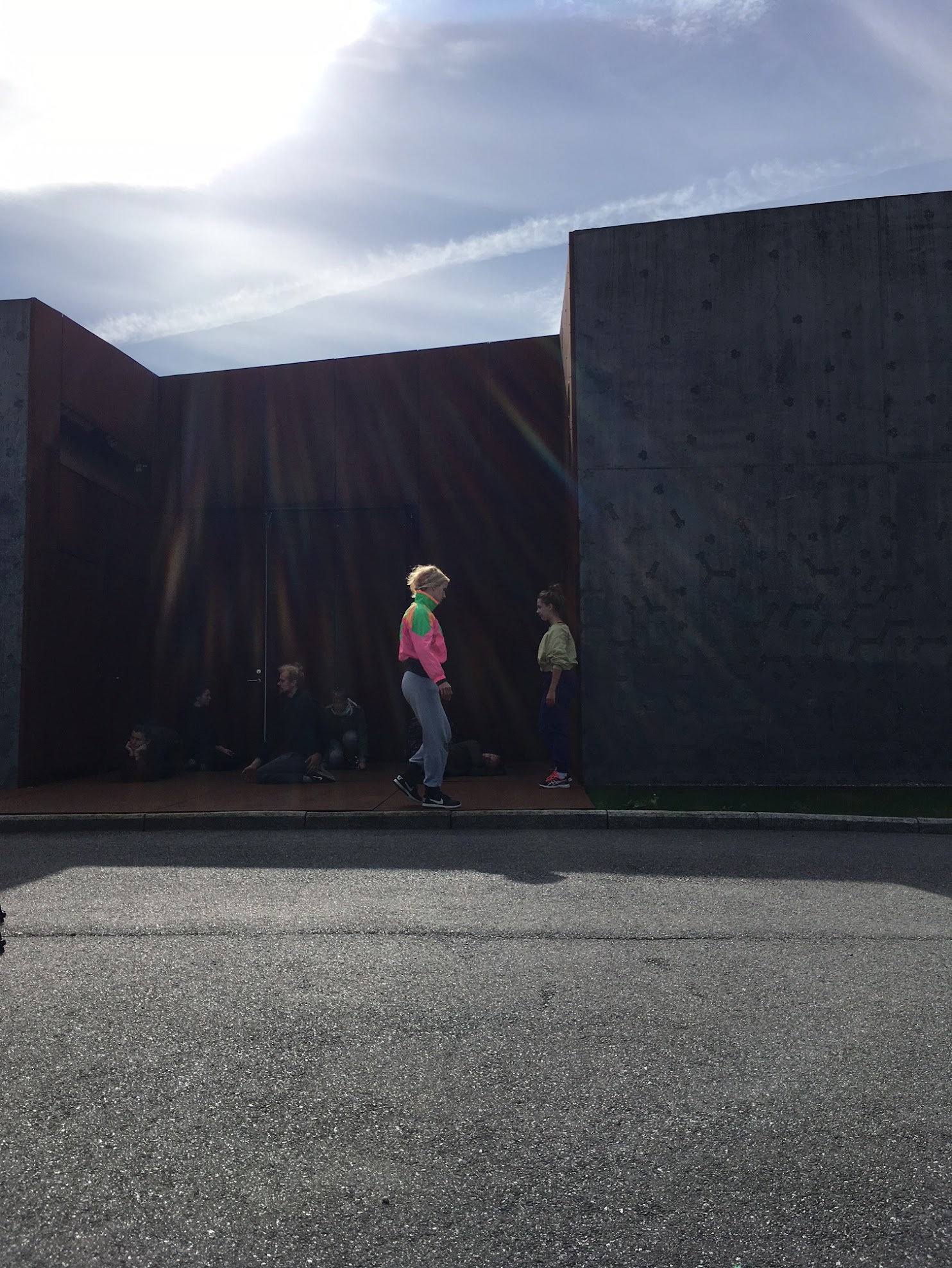
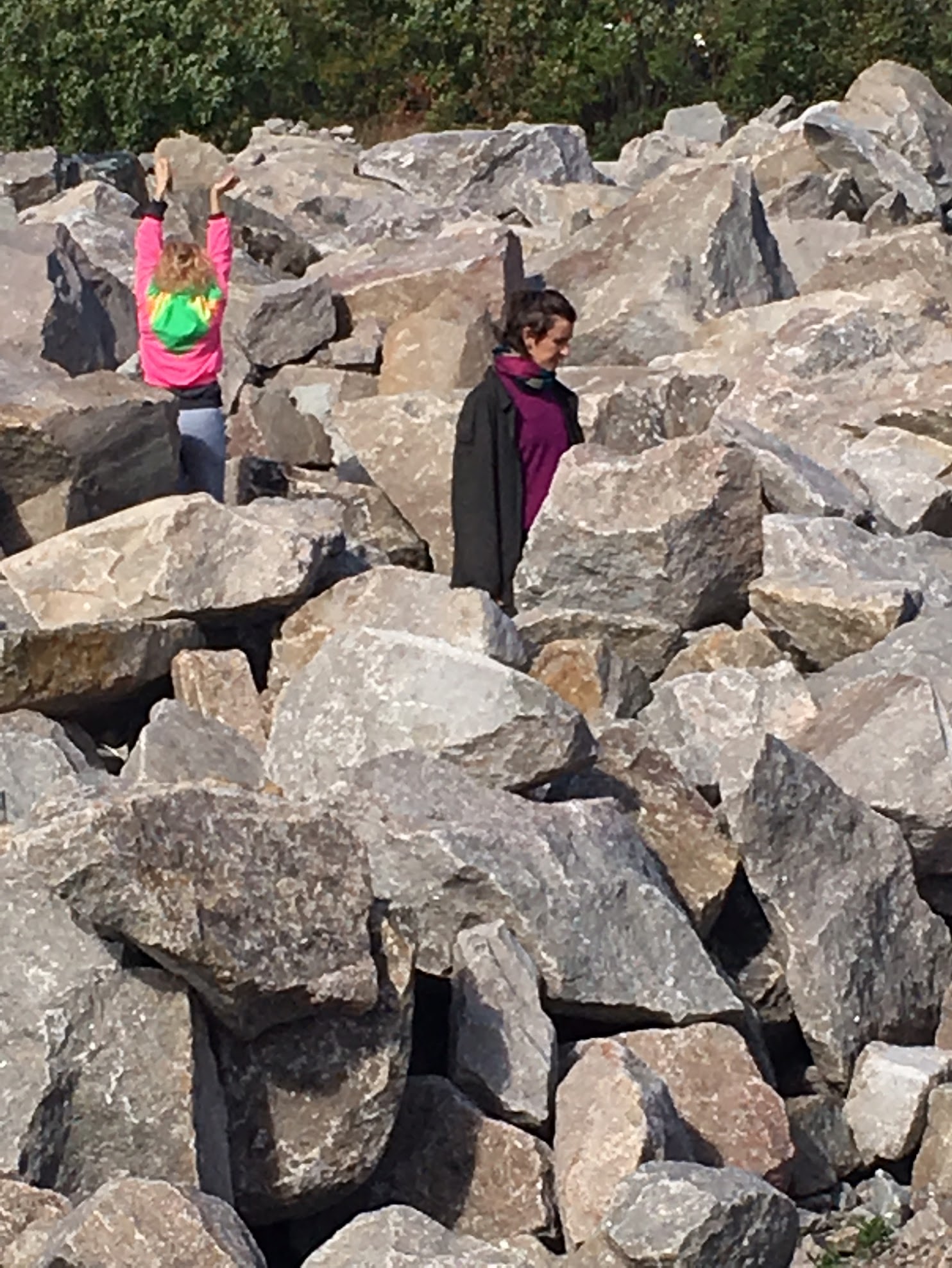
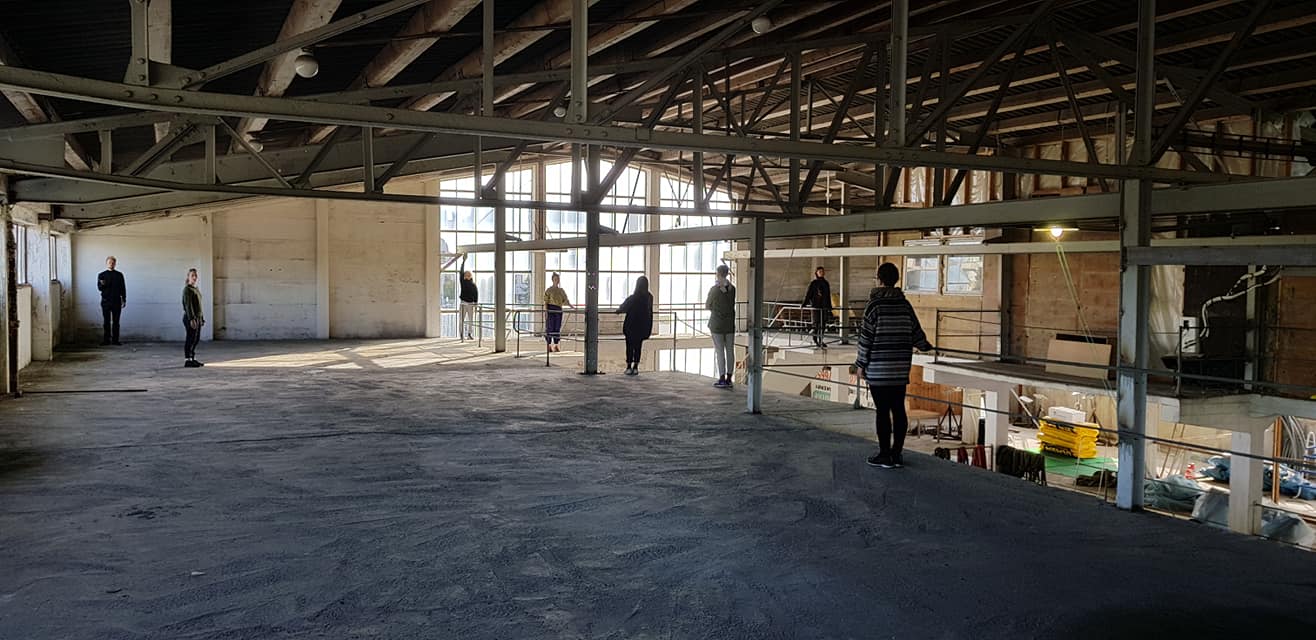
Sensitive Dances is a movement practice that treats any temporally and spatially structured movement as a complete, one-time, unique dance. It steps outside the paradigm of fine-tuning—of making movement clearer, better, or more articulated—and instead honors each dance as already accomplished in itself. The practice unfolds in sessions or series that generate sequences of dances, each examining particular aspects, focal points, or ideas. An ongoing process of accumulation becomes central to the practice. The practice explores the emergence of movement—movement that arises without pressure, mobilizes the body, and is then allowed to dissolve back into space. It also makes space for movement that hovers at the edge of perception—movement about to appear, not yet formed, or not formed at all; invisible yet significant.
Assuming that movement is inherent to the body—that the body seeks to move and to understand itself through movement, even when it appears still—this practice enriches and deepens the experience of moving and of thinking about movement on multiple levels. Sensitive Dances emerged from choreographic practice, proposing movement technique as an integral part of choreographic research. I have taught Sensitive Dances in a range of settings, including The Ohio State University (Department of Dance, as part of a broader practice), the University of Zagreb (Department of Dance), Østfold University in Norway (Theatre Department), the Latvian Academy of Culture (Department of Dance), the Dance Institute NOTAFE in Estonia, and the Studios for Contemporary Dance at Uferstudios in Berlin, among others.